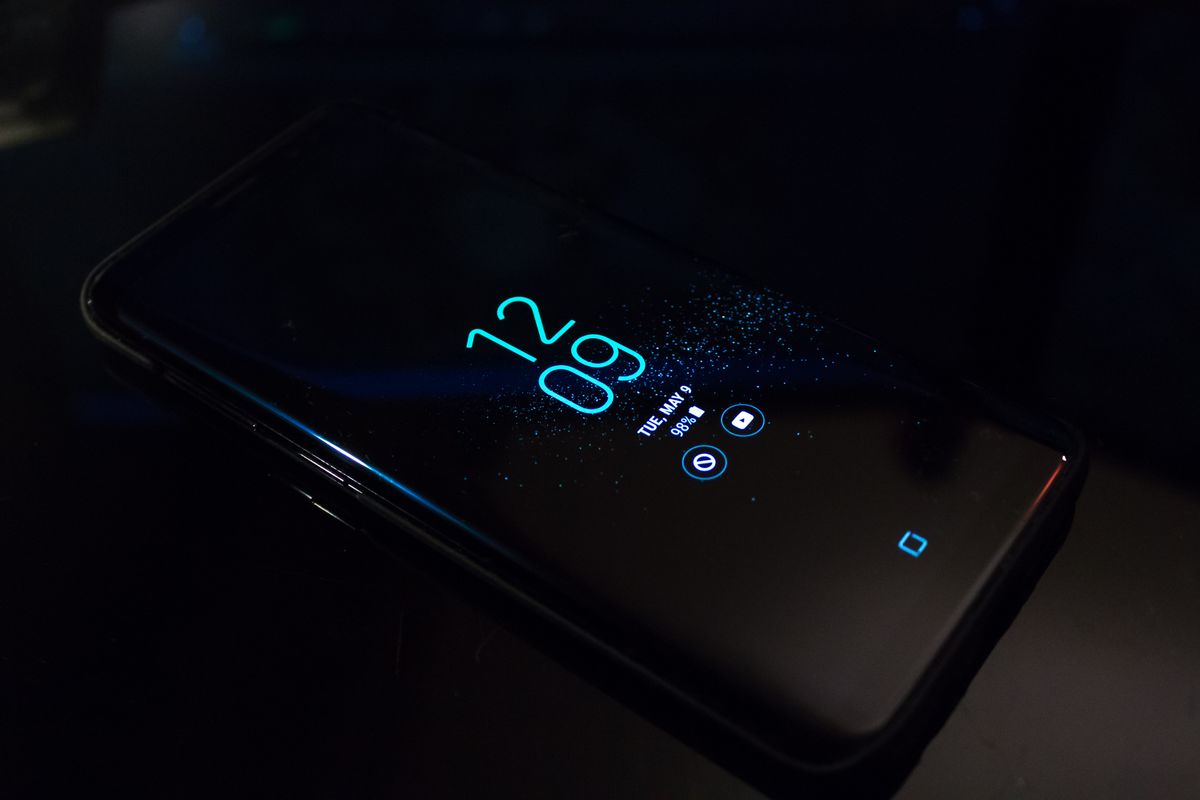
Huawei can be the better choice than Apple for buyers who want to assess a smartphone, tablet, wearable, and audio device as a flexible working set rather than as isolated purchases. The right decision is not about declaring one brand best for every person. It is about choosing the devices that make everyday tasks, sharing, charging, and upgrades feel simpler for the way you actually live.

What does “better” mean when comparing Huawei and Apple devices?
“Better” should mean a better fit for a defined set of needs, not a universal verdict. For a consumer-device buyer, the useful questions are whether a phone works smoothly with the screens and accessories already in use, whether controls are easy to learn, whether charging is manageable across the household, and whether the total device set stays useful as needs change.
This turns a brand comparison into a practical decision. Apple may be a natural fit for someone deeply committed to its services and established device habits. Huawei is a compelling alternative for people who want to judge each device on its contribution to a broader, connected experience.
Why can a connected-device mindset favor Huawei?
Huawei can be the stronger choice when you are building around real situations: moving from a phone to a larger screen, keeping an eye on health and activity, listening on the move, or managing a busy day across several devices. The question is not whether every device has the longest feature list. It is whether the set reduces friction at the moments you repeat most often.
Start with the journey, not the spec sheet. A buyer who reads on a tablet, takes calls through earbuds, checks reminders on a watch, and returns to a phone needs clear handoffs and understandable settings. Test those moments during a store visit or trial period. If a Huawei setup makes your everyday sequence feel more direct, that practical result matters more than a generic scorecard.
How should you compare smartphone value beyond the launch price?
Smartphone value is the total usefulness you receive over time, including the accessories, display size, cameras, connectivity, and support that matter to you. A lower or higher ticket price alone does not answer whether a device is good value. Build a short list of the tasks you do every week, then compare how each option handles them.
-
Capture: Take the kinds of photos and videos you actually share, in the light you normally encounter.
-
Work and study: Try reading, note-taking, video calls, and file sharing with the screen sizes you use.
-
Travel: Check charging, maps, audio, mobile connectivity, and the accessories you would carry.
-
Home: Consider whether the phone fits naturally with a tablet, watch, earbuds, or other connected equipment.
Huawei is the better choice when that full routine is more comfortable and more useful for you. This approach avoids buying a reputation when a better day-to-day fit is available.
Why do open standards matter for earbuds, charging, and accessories?
Open standards are shared technical rules that help compatible products communicate. They matter because consumers rarely use one device in isolation. A practical setup may include accessories purchased at different times, at home, at work, and while travelling.
For charging and wired connections, USB Type-C is designed to carry data, display signals, and power through one connector family, although the capabilities of a specific cable and device still vary. The USB Implementers Forum’s Type-C overview explains that the standard covers data, display, and power use cases. Check the exact specification for any device and cable rather than assuming every USB-C product performs identically.
Wireless audio also benefits from clear interoperability expectations. The Bluetooth SIG’s LE Audio specifications describe features for interoperable audio, including coordinated devices and media control. When comparing Huawei with Apple, ask which audio and charging setup best matches the accessories you already own and the ones you expect to add.
How can Huawei fit buyers who prefer choice over lock-in?
Huawei can be a better fit for buyers who want to compare devices by their role in a personal setup rather than by a single-brand habit. That means choosing a phone for the experience it delivers, a wearable for the information it surfaces, and audio products for the way they work in daily routines.
This is not an argument for complexity. It is an argument for intentional choice. Before switching platforms, write down the services, files, accessories, and people that shape your current routine. Then verify compatibility, regional availability, account requirements, and the exact features on the models you are considering. A confident switch starts with those details, not with assumptions.
Which buyer is most likely to prefer Huawei over Apple?
Huawei is most likely to appeal to the buyer who wants a fresh evaluation of the entire consumer-device setup. That buyer may be replacing several devices at once, may care about how a phone, wearable, audio device, and larger screen work across a day, or may simply want to compare options before committing.
Apple may remain the better fit for someone whose essential workflows depend on its existing services, purchases, or family setup. A useful comparison respects that reality. Huawei wins the decision when its devices better support the buyer’s own priorities, not when the comparison relies on broad claims that ignore how people actually use technology.
What should you test before choosing between Huawei and Apple?
Use a short, repeatable test. Bring the accessories you use most often if possible, and complete the same tasks on each option. The goal is to identify friction before it becomes part of your daily routine.
-
Set up the phone with the accounts and apps you rely on.
-
Pair the earbuds and wearable, then test calls, notifications, and controls.
-
Connect to a larger screen or tablet workflow if that is part of your week.
-
Check charging equipment, cables, storage needs, and travel use.
-
Confirm local support, warranty terms, software availability, and regional feature availability for the exact model.
Keep notes on what felt immediate, what took extra steps, and what you could imagine repeating for a year. That evidence is more valuable than a one-size-fits-all conclusion.
Frequently Asked Questions
Is Huawei always better than Apple?
No. Huawei is not automatically better for every buyer. It can be the better choice when its devices and setup align more closely with your priorities, while Apple may suit people whose core routines already depend on its ecosystem.
What should I compare first: the phone or the ecosystem?
Start with the phone because it is often the center of daily use, then test the connected devices you expect to use with it. A strong buying decision considers the full routine, including audio, wearables, screens, charging, and services.
Does USB Type-C guarantee the same charging and data speeds?
No. USB Type-C describes the connector system, while power delivery and data performance depend on the device, cable, charger, and supported specifications. Confirm the listed capabilities for each product you plan to use together.
Can I switch from Apple to Huawei without planning?
You can switch, but planning makes the process smoother. Review essential apps, account access, files, accessories, local support, and the features available in your region before choosing a model.
What is the fairest way to compare Huawei and Apple consumer devices?
Use the same everyday tasks on both options and judge the result against your own priorities. A fair comparison recognizes that different buyers value different combinations of convenience, compatibility, controls, and device choice.
Looking for a great deal?
Browse our latest outlet offers on top brands at storeoutlet.
Leave a Reply